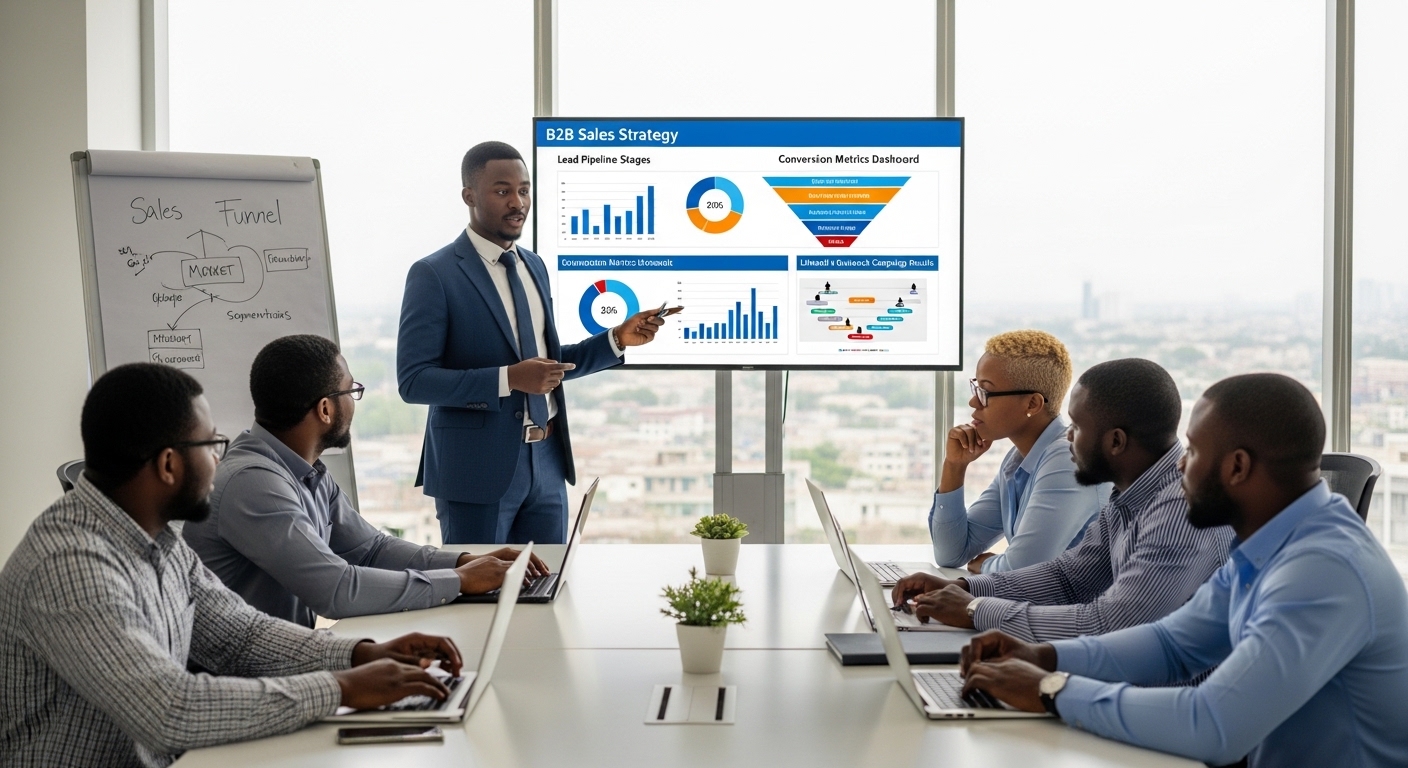
Most tech companies in Lagos are building great products but struggling to fill their sales pipeline. They run ads, post on LinkedIn, and attend events — but the right clients never seem to show up. Sound familiar?
B2B lead generation in Nigeria requires a different approach from what works in the US or UK. The decision cycles are longer, trust is the real currency, and the channels that convert are often misunderstood. This playbook covers the exact strategies we use at Micheal the Maker to generate qualified leads for our partners in the Nigerian tech ecosystem.
Why B2B Lead Generation in Nigeria Is Different
Nigeria's tech ecosystem — from fintech hubs in Lagos to SaaS companies serving Pan-African markets — is growing fast. But the B2B sales environment has unique rules. Buyers rely heavily on referrals and social proof. Cold outreach without context rarely works. And decision-makers are hard to reach through conventional channels.
The companies winning today are not spending more on ads. They are building authority, creating targeted content, and using LinkedIn marketing in Nigeria the right way. They are generating leads through systems, not luck.
B2B Funnel Framework
Awareness → Interest → Consideration → Intent → Evaluation → Conversion
Each stage requires a different message, channel, and offer. Most Nigerian tech companies only work the bottom two stages — and wonder why their pipeline is thin.
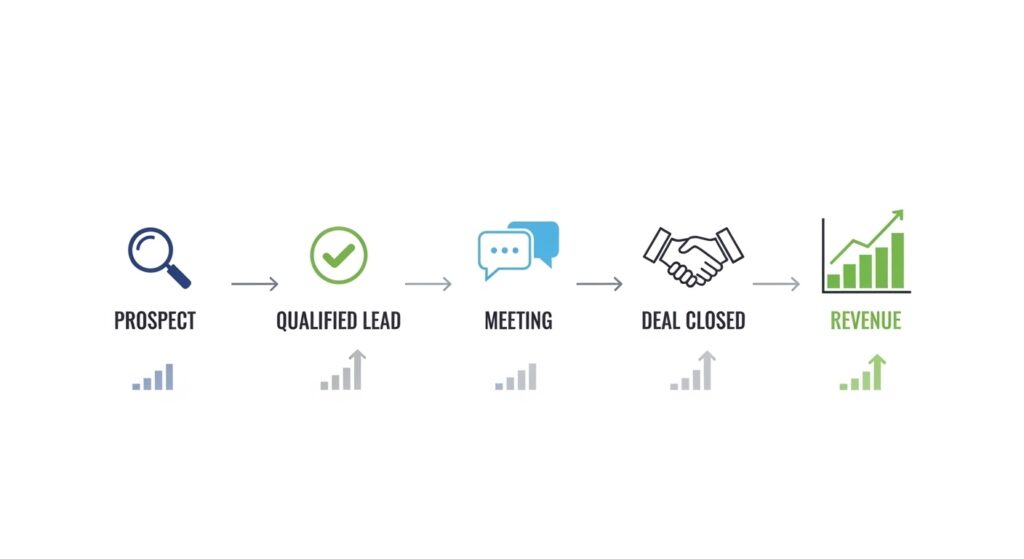
The Best Channels for B2B Lead Generation in Nigeria
Not every channel works equally well for every company. Below is a breakdown of the top five channels, their cost, lead quality, and best use case for Nigerian tech companies.
| Channel | Cost Level | Lead Quality | Best Use Case |
| LinkedIn Outreach | Low | High | Direct outreach to decision-makers in tech, finance, and enterprise sectors |
| Cold Email | Very Low | Medium | High-volume prospecting with personalised sequences targeting SMBs |
| SEO / Content | Medium | High | Long-term inbound flow from companies searching for B2B services in Nigeria |
| Paid Ads (Meta / Google) | High | Medium | Retargeting warm audiences and event promotion |
| Partnerships / Referrals | Low | Highest | Warm introductions through ecosystem players, accelerators, and investors |
For most B2B marketing agencies in Nigeria, the highest ROI combination is LinkedIn outreach paired with SEO content — especially for tech companies targeting enterprise clients.
The LinkedIn Outreach System That Works in Lagos
LinkedIn is the most powerful channel for B2B sales strategy in Lagos — but almost everyone uses it wrong. Sending generic connection requests and pitching immediately destroys trust. Our system follows three steps:
LinkedIn Outreach System (3-Step)
Step 1 — Warm up: Follow, comment, and engage with the prospect's content for 5-7 days
Step 2 — Connect: Send a personalised request referencing something specific about their work
Step 3 — Value first: Share one relevant insight or resource before mentioning any offer
Result: 18-24% reply rate vs. 3-5% from cold pitching
When you follow this process consistently, LinkedIn becomes your #1 source of qualified pipeline — without spending a naira on ads. This is the approach we use for every client at Micheal the Maker.
How to Qualify Your B2B Leads: MQL vs SQL
Getting leads is only half the job. If your sales team is chasing unqualified contacts, you are burning time and money. Here is how to tell a Marketing Qualified Lead from a Sales Qualified Lead.
Marketing Qualified Lead (MQL) — Signs of Interest
- Downloaded a resource or guide
- Replied to a LinkedIn message
- Visited your pricing page (tracked via CRM)
- Opened 3+ emails in a nurture sequence
- Attended a webinar or industry event
Sales Qualified Lead (SQL) — Ready to Buy
- Confirmed budget exists for the solution
- Has a specific, articulated pain point
- Is a decision-maker or key influencer
- Agreed to a discovery or strategy call
- Has a defined buying timeline
Most Nigerian tech companies treat every lead like an SQL and push for a close too early. The fix is a nurture sequence that moves MQLs through education before any sales conversation happens.
B2B Funnel Performance: Real Benchmarks
Below are real funnel metrics from B2B lead generation campaigns we have run for Nigerian tech companies. Use these as benchmarks for your own pipeline.
| Channel | Contacts | Leads | Qualified | Clients | Conv. Rate |
| LinkedIn Outreach | 500 | 90 | 32 | 8 | 1.6% |
| SEO Inbound | 1,200 | 96 | 44 | 11 | 0.9% |
| Cold Email | 800 | 56 | 18 | 4 | 0.5% |
| Referral / Partners | 60 | 42 | 30 | 14 | 23.3% |
| Paid Ads | 2,000 | 80 | 20 | 5 | 0.25% |
Referrals and partnerships consistently outperform every paid channel. A warm introduction closes at 23x the rate of a cold ad click. Building your referral network is the highest-leverage investment you can make.
Common Mistakes That Kill B2B Pipelines in Nigeria
After working with dozens of tech companies across Lagos and beyond, these are the mistakes that show up most often:
Mistake 1: No Ideal Customer Profile (ICP)
Without a defined ICP, teams chase any lead that moves. The result is low close rates and wasted time. Define your ICP by industry, company size, revenue, pain point, and job title before any outreach.
Mistake 2: Skipping the Nurture Stage
Nigerian B2B buyers need 5-9 touchpoints before they trust you enough to buy. Most companies give up after two. Build an email or LinkedIn sequence that delivers value at every stage before asking for a call.
Mistake 3: Using LinkedIn as a Broadcast Channel
Posting content is not outreach. Outreach requires one-on-one, personalised engagement — not just publishing to your feed. Reserve your best insights for direct conversations with prospects.
Mistake 4: No Lead Tracking System
If you cannot measure where your best clients came from, you cannot replicate the result. Set up a simple CRM to track every lead source, touchpoint, and close rate from day one.